The Khukuri, a quintessential symbol of the Gorkha spirit, has long been revered not only as a weapon of war but as a cultural emblem. Its curved blade speaks of tales old as the hills of Nepal, echoing the bravery of the Gorkhas across centuries.
Historical Origins
The Khukuri’s history is as enigmatic as it is storied. It is believed to have originated from the ancient Greek sword kopis, introduced to the Indian subcontinent by the forces of Alexander the Great. Over time, the Khukuri evolved to meet the needs of the Gorkha warriors, becoming a weapon that was both practical and deadly.
In the late 18th century, the Khukuri rose to prominence during the Gorkha wars. The Gorkha soldiers, known for their fierceness and bravery, wielded the Khukuri with unparalleled skill. It is said that in battle, a Gorkha’s only weapon was his Khukuri, and that alone was enough to instill fear in the hearts of their enemies.
The Khukuri is not just a weapon; it is an extension of the Gorkha's soul. - A Gorkha veteran from Darjeeling
Cultural Significance
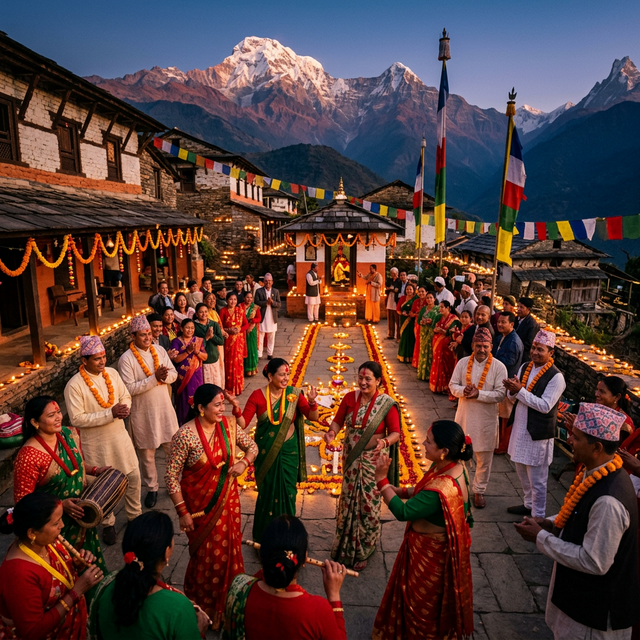
Beyond the battlefield, the Khukuri holds a place of pride in Gorkha households. It symbolizes honor, valor, and the rich cultural heritage of the community. During festivals and ceremonies, the Khukuri is often part of the rituals, representing protection and strength.
In Darjeeling and Kalimpong, regions with a significant Gorkha population, the Khukuri is still crafted using traditional methods. Skilled artisans pass down their knowledge through generations, ensuring each Khukuri carries the weight of history and craftsmanship.
- Rituals: The Khukuri is used in various rites, from weddings to harvest festivals, symbolizing the blessing of strength and protection.
- Craftsmanship: Each Khukuri is unique, with the blade often adorned with intricate designs, reflecting the artisan's skill and the owner's status.
Modern-Day Relevance
Today, the Khukuri is more than a weapon; it is a cultural icon. In the tea gardens of the Himalayas, you can still see workers carrying Khukuris, a testament to its enduring practicality. Moreover, the Khukuri has become a symbol of pride for Gorkha regiments worldwide, celebrated for their bravery and discipline.
Stories of the Khukuri's might continue to inspire the youth, reminding them of their roots and the valor of their ancestors. As the world changes, the Khukuri remains a constant, a reminder of the Gorkha spirit that refuses to be tamed.
The Khukuri is a bridge connecting the past with the present, a reminder of who we are and where we come from. - A young Gorkha from Kalimpong
In conclusion, the evolution of the Khukuri is a narrative of adaptation, resilience, and cultural pride. It stands as a testament to the Gorkha community's enduring spirit, a relic of the past that continues to shape the identity of the present.
गोरखाली आत्माको प्रतीक खुकुरीलाई युद्धको हतियार मात्र होइन, सांस्कृतिक प्रतीकको रूपमा पनि सम्मान गरिन्छ। यसको वक्र ब्लेडले नेपालको पहाडहरू जत्तिकै पुराना कथाहरूको कुरा गर्छ, जसले शताब्दीयौंसम्म गोरखाली वीरताको प्रतिध्वनि दिन्छ।
ऐतिहासिक उत्पत्ति
खुकुरीको इतिहास जति रहस्यमय छ, त्यति नै ऐतिहासिक पनि छ। यसलाई प्राचीन ग्रीक तरवार कोपिसबाट उत्पन्न भएको विश्वास गरिन्छ, जुन सिकन्दर महानका सेनाहरूले भारतीय उपमहाद्वीपमा ल्याएका थिए। समयसँगै, खुकुरी गोरखा योद्धाहरूको आवश्यकताहरू पूरा गर्न विकास भयो, एक हतियार बन्यो जुन व्यावहारिक र घातक दुवै थियो।
१८औं शताब्दीको अन्ततिर, गोरखा युद्धहरूका क्रममा खुकुरीको ख्याति बढ्यो। गोरखा सैनिकहरू, आफ्नो वीरता र साहसका लागि परिचित, खुकुरीलाई अद्वितीय कौशलसँग चलाउँथे। भनिन्छ कि युद्धमा, गोरखाको एक मात्र हतियार उसको खुकुरी थियो, र त्यति मात्रले उनीहरूले आफ्नो शत्रुको हृदयमा डर उत्पन्न गर्न पर्याप्त थियो।
खुकुरी केवल हतियार होइन; यो गोरखाको आत्माको विस्तार हो। - दार्जिलिङका एक गोरखा अनुभवी
सांस्कृतिक महत्व
रणभूमिको बाहिर, खुकुरी गोरखा परिवारहरूमा गर्वको स्थल ओगट्छ। यसले समुदायको सम्मान, साहस र समृद्ध सांस्कृतिक सम्पदाको प्रतिनिधित्व गर्दछ। चाडपर्व र समारोहहरूमा, खुकुरी प्रायः अनुष्ठानहरूको हिस्सा हुन्छ, सुरक्षा र शक्तिको प्रतीकको रूपमा।
दार्जिलिङ र कालिम्पोङमा, जहाँ गोरखा जनसंख्या उल्लेखनीय छ, खुकुरी अझै पनि परम्परागत विधिहरू प्रयोग गरेर निर्माण गरिन्छ। कुशल कारीगरहरूले आफ्नो ज्ञानलाई पुस्तादेखि पुस्तासम्म हस्तान्तरण गर्छन्, प्रत्येक खुकुरीलाई इतिहास र कारीगरीको भार दिन्छन्।
- अनुष्ठानहरू: खुकुरी विभिन्न अनुष्ठानहरूमा प्रयोग गरिन्छ, विवाहदेखि लिएर फसल चाडसम्म, शक्ति र संरक्षणको आशिर्वादको रूपमा।
- कारीगरी: प्रत्येक खुकुरी अद्वितीय हुन्छ, ब्लेड प्रायः जटिल डिजाइनहरूसँग सजाइन्छ, जसले कारीगरको कौशल र मालिकको स्थिति प्रतिबिम्बित गर्दछ।
आधुनिक दिनको प्रासंगिकता
आज, खुकुरी हतियार भन्दा बढी छ; यो सांस्कृतिक प्रतीक हो। हिमालयका चिया बगानहरूमा, तपाईले अझै पनि खुकुरी बोकेका कामदारहरू देख्न सक्नुहुन्छ, यसको स्थायी व्यावहारिकताको प्रमाण। यसबाहेक, खुकुरी विश्वव्यापी गोरखा रेजिमेन्टहरूको गर्वको प्रतीक बनेको छ, जसको साहस र अनुशासनको लागि मनाइन्छ।
खुकुरीको शक्तिका कथाहरूले युवा पुस्तालाई प्रेरित गर्न जारी राख्छन्, उनीहरूलाई उनीहरूको जरा र उनीहरूका पुर्खाको वीरताको सम्झना गराउँछन्। संसार परिवर्तन भइरहँदा, खुकुरी एक स्थिरक बनी रहन्छ, गोरखाली आत्माको याद दिलाउने कुरा जुन वशमा नपार्न चाहन्छ।
खुकुरी अतीत र वर्तमानलाई जोड्ने पुल हो, हामी को हौँ र कहाँबाट आएका हौँ भन्ने कुरा सम्झाइदिने। - कालिम्पोङका एक युवा गोरखा
अन्तमा, खुकुरीको विकास अनुकूलन, लचिलोपन, र सांस्कृतिक गर्वको कथा हो। यो गोरखा समुदायको स्थायी आत्माको प्रमाण हो, विगतको एक अवशेष जसले वर्तमानको पहिचानलाई आकार दिन जारी राख्छ।