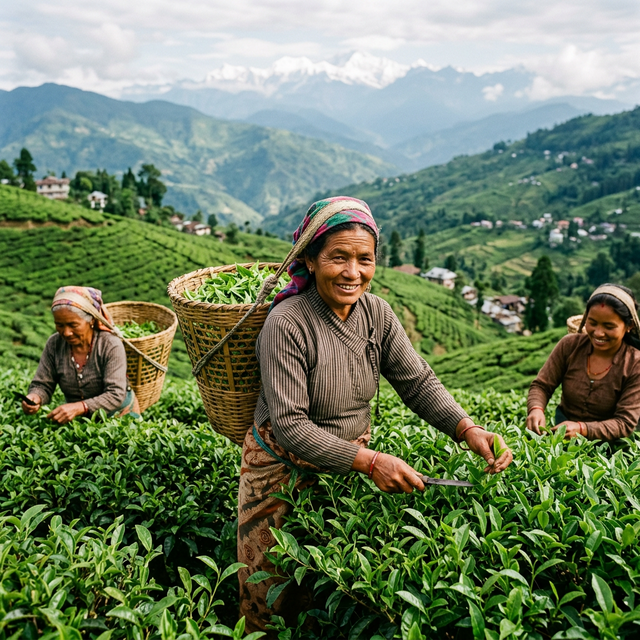
The misty hills of Darjeeling, long revered for their exquisite tea, are not just about the rolling plantations but are home to a vibrant community of Gorkha people. Their lives are intertwined with the fate of these lush gardens, and this week, their voices resonate in a crucial negotiation that could shape their future.
Historical Background
Tea cultivation in Darjeeling began in the mid-19th century under British rule. The unique climate and terrain of the region gave birth to the world-famous Darjeeling tea, often referred to as the 'Champagne of Teas'. The Gorkhas, along with other communities, have been the backbone of this industry, toiling tirelessly in the gardens.
Through decades, tea garden workers have faced numerous hardships, from low wages to lack of basic amenities. The formation of unions was a pivotal moment in their struggle for rights, offering them a collective voice.
The Current Negotiations
This week, unions representing thousands of tea garden workers met with estate owners for the third time to discuss bonus settlements. The meeting was held at a community hall in Kurseong, with representatives from major tea estates and worker unions like the Darjeeling Terai Dooars Plantation Labour Union (DTDPLU) present.
"Our demands are simple," said Lakpa Tamang, a union leader. "We seek fair compensation for our hard work and dedication, which has made Darjeeling tea a global brand."
The Stakes
The bonus settlement is more than just an annual financial increment; it is a recognition of the workers' contributions. Historically, bonuses have been a contentious issue, with negotiations sometimes stretching for months.
For many workers, bonuses are critical. They help families manage educational expenses, healthcare, and even festivities, which are an integral part of the Gorkha culture.
Cultural Significance
The tea gardens are not just workplaces; they are cultural hubs. Festivals like Dasain and Tihar see the gardens come alive with music and dance. The traditional Nepali folk songs, echoing through the valleys, tell tales of love, labor, and longing.
Tea garden workers often pass down stories from generation to generation, with the gardens themselves serving as living testaments to their heritage. In these negotiations, the workers are not just fighting for bonuses but for the preservation of their way of life.
Looking Ahead
As the negotiations continue, there is a palpable sense of anticipation in the air. The outcome could set a precedent for future settlements, impacting the socio-economic landscape of the region.
"We hope for a fair decision," said Maya Gurung, a second-generation tea worker. "Our ancestors built this legacy, and we wish to see it thrive with dignity."
The Gorkha community remains hopeful, drawing strength from their rich history and unwavering spirit. In the serene hills of Darjeeling, the story of tea garden workers unfolds, a narrative of resilience and unity.
दार्जिलिङका कुहिरोले ढाकिएका पहाडहरू, जो आफ्नो उत्कृष्ट चियाका लागि लामो समयदेखि प्रसिद्ध छन्, केवल फैलिएका बगैंचाहरू मात्र होइनन्, तर गोर्खा समुदायको उज्यालो घर पनि हुन्। तिनीहरूको जीवन यिनै हरियाली बगैंचाहरूको भाग्यसँग जोडिएको छ, र यस हप्ता, उनीहरूको आवाजले भविष्यलाई आकार दिने महत्त्वपूर्ण वार्तामा गूंजिरहेको छ।
ऐतिहासिक पृष्ठभूमि
दार्जिलिङमा चियाको खेती १९औं शताब्दीको मध्यमा ब्रिटिश शासनमा सुरु भयो। यस क्षेत्रको अद्वितीय मौसम र भूभागले विश्वप्रसिद्ध दार्जिलिङ चियालाई जन्म दियो, जसलाई प्रायः 'चियाको शैम्पेन' भनेर चिनिन्छ। गोर्खाहरू, अन्य समुदायहरूसँगै, यो उद्योगको मेरुदण्ड भएका छन्, जसले बगैंचाहरूमा अथक मेहनत गरेका छन्।
दशकौंदेखि, चिया बगान कामदारहरूले न्यून ज्याला देखि आधारभूत सुविधाहरूको अभावसम्मका धेरै कठिनाइहरू सामना गरेका छन्। युनियनहरूको गठन उनीहरूको अधिकारका लागि संघर्षमा एउटा महत्वपूर्ण क्षण थियो, जसले तिनीहरूलाई सामूहिक आवाज दिएको छ।
हालको वार्ता
यस हप्ता, हजारौं चिया बगान कामदारहरूको प्रतिनिधित्व गर्ने युनियनहरूले बोनस सम्झौताका लागि तेस्रो पटक बगान मालिकहरूसँग भेट गरे। यो बैठक कर्सियङको एउटा सामुदायिक हलमा आयोजित गरिएको थियो, जहाँ प्रमुख चिया बगान र दार्जिलिङ तराई डुवर्स प्लान्टेशन लेबर युनियन (DTDPLU) जस्ता कामदार युनियनका प्रतिनिधिहरू उपस्थित थिए।
"हाम्रो माग सरल छ," युनियन नेता लाक्पा तामाङले भने। "हामी हाम्रो कडा मेहनत र समर्पणको लागि उचित क्षतिपूर्ति खोज्दै छौं, जसले दार्जिलिङ चियालाई विश्वव्यापी ब्रान्ड बनाएको छ।"
दाउमा रहेको
बोनस सम्झौता वार्षिक वित्तीय वृद्धिभन्दा बढी हो; यो कामदारहरूको योगदानको मान्यता हो। ऐतिहासिक रूपमा, बोनसहरू विवादास्पद विषय भएका छन्, जसको वार्ता कहिलेकाहीँ महिनौंसम्म चल्छ।
धेरै कामदारहरूको लागि, बोनसहरू महत्वपूर्ण छन्। उनीहरूले परिवारहरूलाई शैक्षिक खर्च, स्वास्थ्य सेवा, र गोर्खा संस्कृतिको अभिन्न अंग भएका चाडपर्वहरू व्यवस्थापन गर्न मद्दत गर्छन्।
सांस्कृतिक महत्व
चिया बगानहरू केवल कार्यस्थल मात्र होइनन्; तिनीहरू सांस्कृतिक केन्द्रहरू हुन्। दसैं र तिहार जस्ता चाडपर्वहरूले बगैंचाहरूलाई संगीत र नृत्यले जीवन्त बनाउँछन्। नेपाली लोकगीतहरू, उपत्यकामा गुञ्जिरहेका, प्रेम, श्रम, र तृष्णाका कथाहरू बताउँछन्।
चिया बगान कामदारहरूले अक्सर पुस्ता देखि पुस्तामा कथाहरू पास गर्छन्, बगैंचाहरू आफैंमा तिनीहरूको धरोहरको जीवन्त प्रमाणको रूपमा सेवा गर्छन्। यी वार्ताहरूमा, कामदारहरू केवल बोनसका लागि होइन तर आफ्नो जीवनशैलीको संरक्षणका लागि लडिरहेका छन्।
अगाडि हेर्दै
वार्ताहरू जारी रहँदा, हावामा एक स्पष्ट आशा महसुस गर्न सकिन्छ। यसको नतिजाले भविष्यका सम्झौताहरूका लागि मिसाल सेट गर्न सक्छ, क्षेत्रको सामाजिक-आर्थिक परिदृश्यलाई असर गर्न सक्छ।
"हामी निष्पक्ष निर्णयको आशा गर्छौं," दोस्रो पुस्ताका चिया कामदार माया गुरुङले भनिन्। "हाम्रो पुर्खाहरूले यो धरोहर निर्माण गरेका थिए, र हामी यसलाई सम्मानका साथ फस्टाउँदाको दृश्य चाहन्छौं।"
गोर्खा समुदाय आफ्नो धनी इतिहास र अविचलित आत्माबाट शक्ति लिंदै आशावादी छ। दार्जिलिङका शान्त पहाडहरूमा, चिया बगान कामदारहरूको कथा खुल्दैछ, एक दृढता र एकताको कथा।