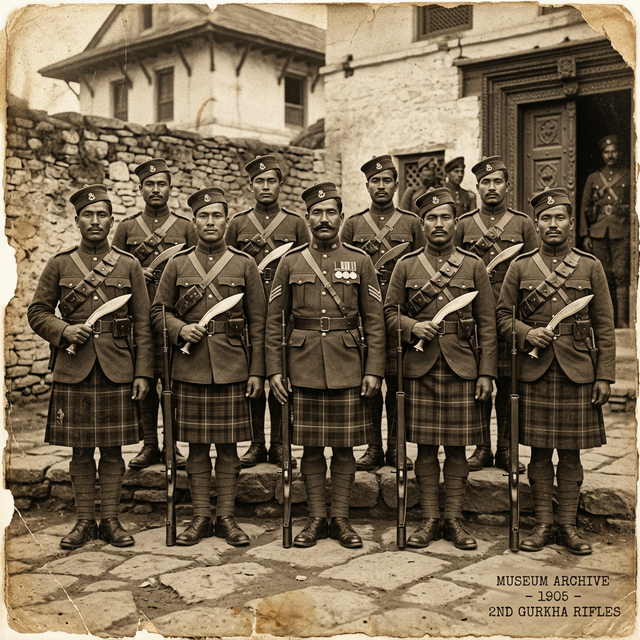
On the eve of India's independence, a group of individuals stood on the precipice of history, their contributions largely overshadowed by the larger narrative of the nation. These were the Gorkhas, a community known for their bravery and loyalty, yet their stories often remained untold. As India prepared to embrace freedom, the Gorkhas too were embarking on a journey of self-definition in this new era.
The Gorkhaland of Yesteryears
In the lush hills of Darjeeling and Kalimpong, the Gorkhas had established a vibrant community. Known for their steadfast nature and martial prowess, many Gorkhas served in the British Indian Army. The tea gardens of Darjeeling were not just a source of livelihood but a cultural melting pot where stories of valor and sacrifice were shared over steaming cups of chai.
The Role of Gorkha Regiments
The Gorkha regiments played a critical role during World War II and were instrumental in maintaining peace during the tumultuous period leading up to 1947. Captain Dhan Bahadur Gurung, a fictional yet representative figure, recalls how his battalion was stationed to manage peace during the Partition. "We were not just soldiers; we were guardians of a fragile peace," he would reminisce.
"We fought not just for a nation, but for the ideals of unity and harmony." - Captain Dhan Bahadur Gurung
The Gorkhas were often stationed in areas of high tension, their presence a testament to their trusted reputation. Yet, as the world celebrated India's independence, many Gorkhas were unsure of their place in this new political landscape.
Cultural Significance and Identity
Even as they served loyally, the Gorkhas grappled with a duality of identity. The cultural traditions they held dear, from the vibrant Dashain celebrations to the soulful tunes of the Nepali sarangi, were both a source of strength and a reminder of their unique heritage. This duality was poignantly expressed in the folk songs sung by women in the tea gardens, weaving tales of love, loss, and longing for a homeland.
In the post-independence period, the Gorkhas began to assert their identity more vocally. The call for a separate state, Gorkhaland, became a rallying cry for many who felt marginalized. This was not just a political movement but a cultural renaissance, a desire to preserve and promote their rich heritage.
The Legacy of Unsung Heroes
The generation of Gorkhas who witnessed 1947 passed down stories of resilience and hope to their descendants. These stories, often shared during community gatherings, served as a reminder of the Gorkha spirit. "We were there, part of the struggle, part of the change," said Aama Maya Tamang, an elderly woman whose father served in the regiment.
"Our history is woven into the fabric of this nation." - Aama Maya Tamang
Today, the legacy of the Gorkhas' contributions continues to inspire. Their stories, once overshadowed, are now being recognized as integral to the larger narrative of India's independence.
As we reflect on the unsung heroes of 1947, the Gorkhas stand tall, their tales of courage and sacrifice forming an indelible part of India's history.
भारतको स्वतन्त्रताको पूर्वसन्ध्यामा, इतिहासको कगारमा उभिएका केही व्यक्तिहरू थिए, जसका योगदानहरू देशको ठूलो कथानकले ओझेलमा परे। यी गोर्खा थिए, जसलाई साहस र बफादारीको लागि चिनिन्छ, तर तिनीहरूको कथाहरू प्रायः बताइएन। जब भारतले स्वतन्त्रतालाई अँगाल्न तयारी गरिरहेको थियो, गोर्खाहरू पनि यस नयाँ युगमा आत्म-परिभाषाको यात्रा गर्दै थिए।
विगतका गोर्खाल्यान्ड
दार्जिलिङ र कालिम्पोङका हरियाली पहाडहरूमा, गोर्खाहरूले एक जीवित समुदाय स्थापना गरेका थिए। आफ्नो अडिक स्वभाव र युद्धकौशलको लागि चिनिने, धेरै गोर्खाहरू ब्रिटिश भारतीय सेनामा सेवा गर्थे। दार्जिलिङका चिया बगानहरू न केवल जीविकोपार्जनको स्रोत थिए, तर एक सांस्कृतिक संगम पनि जहाँ साहस र बलिदानका कथाहरू तातो चियाको कपमा साझेदारी गरिन्थ्यो।
गोर्खा रेजिमेन्टहरूको भूमिका
गोर्खा रेजिमेन्टहरूले दोस्रो विश्वयुद्धको समयमा महत्त्वपूर्ण भूमिका खेलेका थिए र १९४७ सम्मको तूफानी अवधिमा शान्ति कायम राख्न मद्दत गरेका थिए। कप्तान धन बहादुर गुरुङ, एक काल्पनिक तर प्रतिनिधिमूलक पात्र, आफ्नो बटालियन विभाजनको समयमा शान्ति व्यवस्थापन गर्नका लागि खटिएको सम्झन्छन्। “हामी मात्र सैनिक नभई, एक नाजुक शान्तिको संरक्षक थियौं,” उनी सम्झन्थे।
"हामीले मात्र राष्ट्रको लागि नभई, एकताका र सद्भावनाका आदर्शहरूको लागि लड्यौं।" - कप्तान धन बहादुर गुरुङ
गोर्खाहरू प्रायः उच्च तनावका क्षेत्रहरूमा खटाइन्थे, उनीहरूको उपस्थिति उनीहरूको विश्वासप्राप्त प्रतिष्ठाको प्रमाण थियो। तर, जब संसारले भारतको स्वतन्त्रतालाई मनायो, धेरै गोर्खाहरू यस नयाँ राजनीतिक परिदृश्यमा आफ्नो स्थानको बारेमा अनिश्चित थिए।
सांस्कृतिक महत्व र पहिचान
यद्यपि उनीहरूले निष्ठापूर्वक सेवा गरे, गोर्खाहरूले पहिचानको द्वैधतासँग जुझिरहेका थिए। उनीहरूले प्रिय राखेका सांस्कृतिक परम्पराहरू, रंगीन दशैँ पर्वदेखि लिएर नेपाली सारङ्गीका आत्मीय धुनसम्म, उनीहरूको बलको स्रोत थिए र उनीहरूको अद्वितीय विरासतको सम्झना पनि। चिया बगानमा गाइने लोकगीतहरूले यस द्वैधतालाई मार्मिक रूपमा व्यक्त गर्थे, प्रेम, क्षति, र मातृभूमिको लागि तड्पाइका कथाहरू बुन्दै।
स्वतन्त्रता पछिको समयमा, गोर्खाहरूले आफ्नो पहिचानलाई अझ स्पष्ट रूपमा व्यक्त गर्न सुरु गरे। अलग राज्यको माग, गोर्खाल्यान्ड, धेरैको लागि एउटा नारा बन्यो जसले आफूलाई उपेक्षित महसुस गर्थ्यो। यो मात्र राजनीतिक आन्दोलन थिएन, तर एउटा सांस्कृतिक पुनर्जागरण पनि थियो, उनीहरूको धनी विरासतलाई जोगाउने र प्रवर्द्धन गर्ने चाहना।
गुमनाम नायकहरूको विरासत
१९४७ को साक्षी गोर्खाहरूको पुस्ताले आफ्ना सन्तानहरूलाई साहस र आशाका कथाहरू हस्तान्तरण गरे। यी कथाहरू, प्रायः सामुदायिक भेला हुँदा साझेदारी गरिन्थ्यो, गोर्खा आत्माको सम्झना स्वरूप थिए। "हामी त्यहाँ थियौं, संघर्षको हिस्सा, परिवर्तनको हिस्सा," भनिन् आम माया तामाङ, जसका पिता रेजिमेन्टमा सेवा गर्थे।
"हाम्रो इतिहास यस राष्ट्रको कपडामा बुनेको छ।" - आम माया तामाङ
आज, गोर्खाहरूका योगदानहरूको विरासत प्रेरणा दिन जारी छ। उनीहरूको कथाहरू, कहिलेकाहीँ ओझेलमा परेका, अहिले भारतको स्वतन्त्रताको ठूलो कथानकको अभिन्न हिस्सा रूपमा मान्यता प्राप्त छन्।
१९४७ का गुमनाम नायकहरूलाई सम्झँदा, गोर्खाहरू गर्वका साथ उभिएका छन्, उनीहरूको साहस र बलिदानका कथाहरू भारतको इतिहासको अविभाज्य भाग बनेको छ।