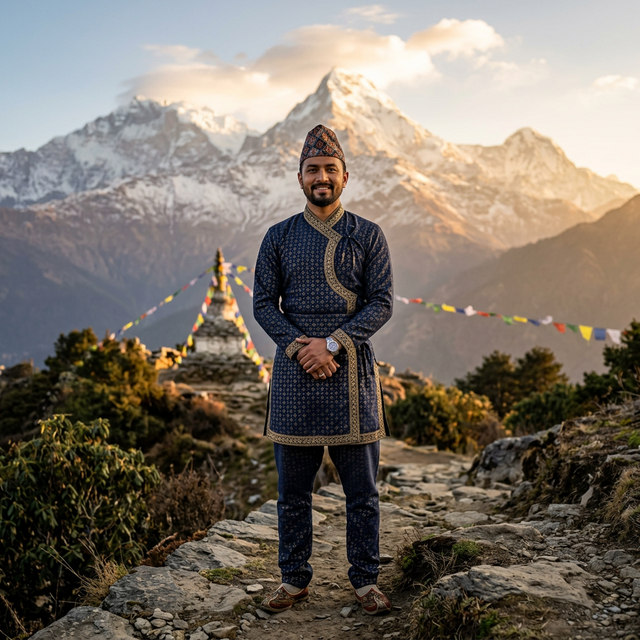
Fig 1.1: The traditional Daura Suruwal outfit
Daura Suruwal: The Fabric of Identity
The Daura Suruwal is the national outfit of Gorkha men. The Daura is a variant of the Kurta and is the upper garment, while the Suruwal is the trouser.
The coat was added later by Jung Bahadur Rana, a prime minister of Nepal in the 19th century. The outfit has religious undertones, with the eight strings of the Daura denoting the eight mother goddesses: Byagini, Kumari, Barahi, Brahmayani, Indrayani, Maheswori, Byasnabi, and Mahalaxmi.
"The closed neck of the Daura signifies the snake around Lord Shiva's neck."
Frequently Asked Questions
What is the traditional dress of the Indian Gorkhas?
The traditional dress for men is the Daura Suruwal, accompanied by a Dhaka Topi (hat). For women, it is typically the Gunyo Cholo or a traditional saree.
What is the significance of the Khukuri?
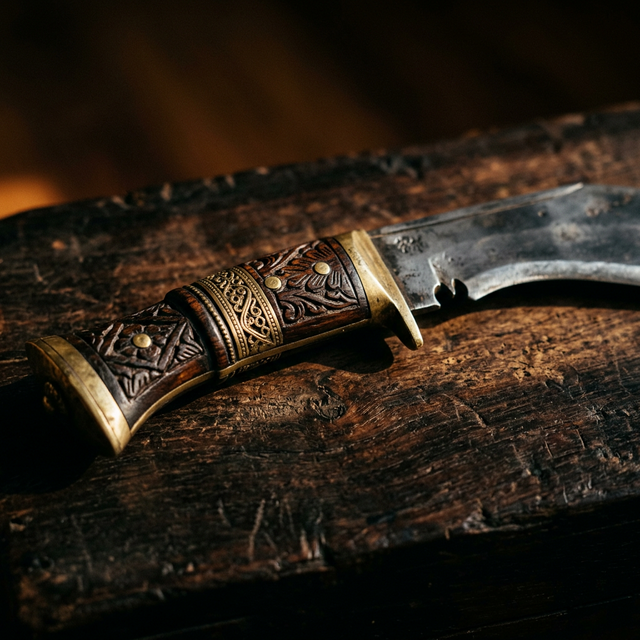
The Khukuri is a traditional forward-curving knife that serves as both a tool and a weapon. It is a symbol of Gorkha bravery, honor, and martial heritage.
What are the major festivals celebrated by Indian Gorkhas?
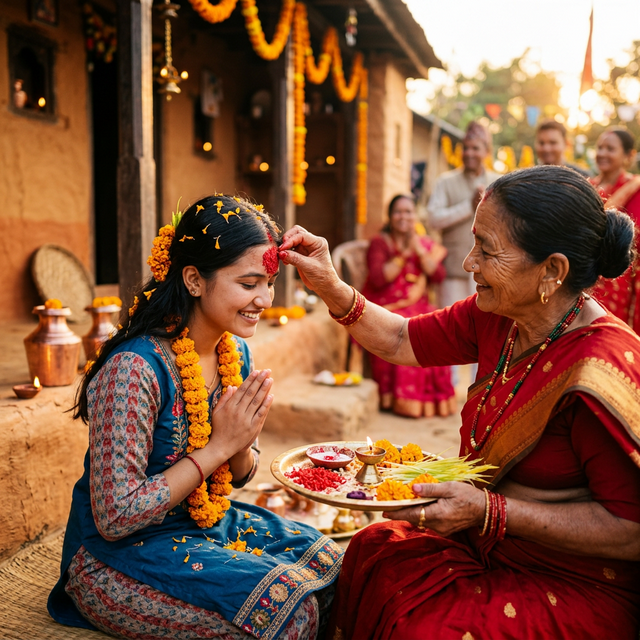
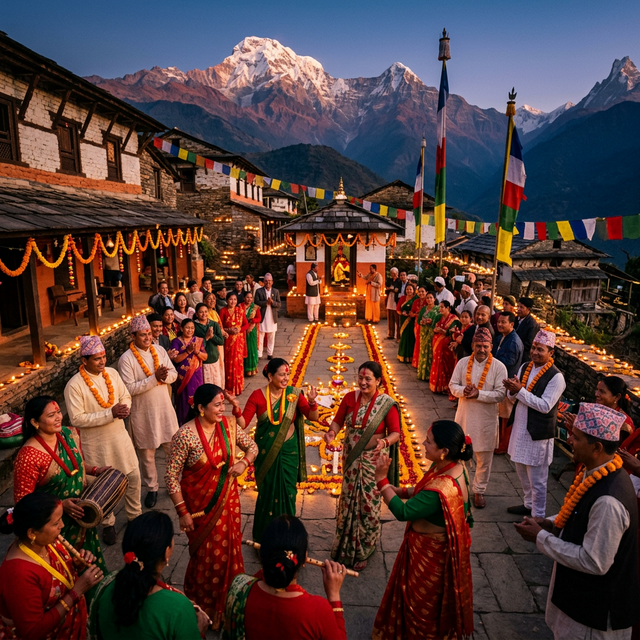
The major festivals include Dasain (celebrating the victory of good over evil) and Tihar (the festival of lights, which also honors animals and siblings).
Join the Sabha
Receive the Gorkha Gazette directly in your inbox. Weekly updates on history, culture, and community events. No spam. Unsubscribe anytime.